
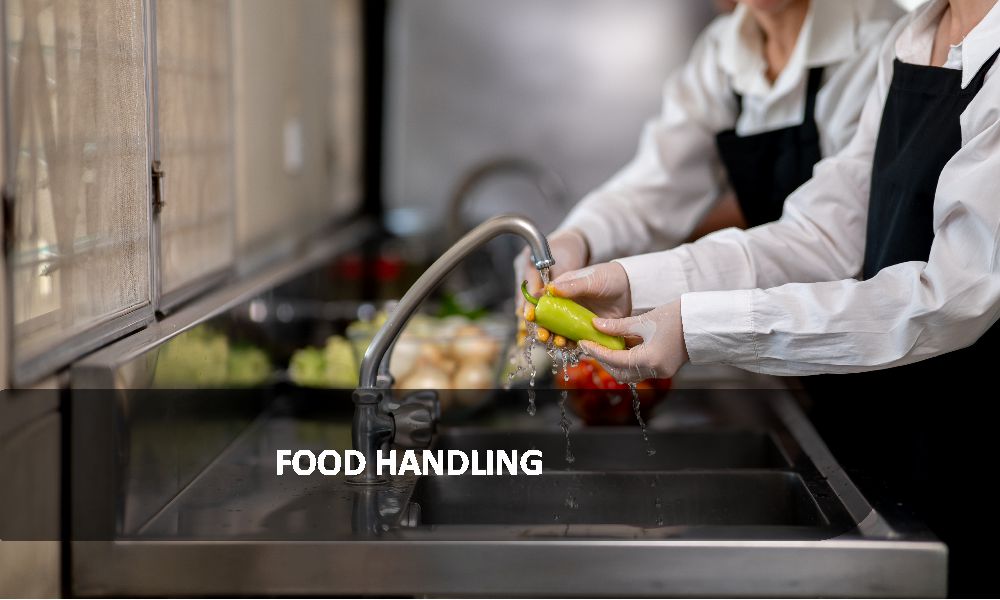
AIMS:
To provide seafarers, ship cooks, and catering personnel with the knowledge and practical skills required to safely handle, prepare, store, and serve food onboard ships while maintaining high standards of hygiene, nutrition, safety, and compliance with international maritime regulations.
OBJECTIVES:
Upon successful completion of this course, participants will be able to:
- Understand kitchen operations, menu planning, and food cost control.
- Apply safe working practices in the galley environment.
- Promote workplace safety and occupational health.
- Prepare healthier meals and accommodate special dietary requirements.
- Identify and prevent food-borne illnesses.
- Maintain food hygiene standards during storage, preparation, and serving.
- Demonstrate proper personal hygiene practices.
- Plan nutritionally balanced menus for crew members.
- Respect religious and cultural dietary requirements.
- Apply essential galley housekeeping practices.
- Manage ship-generated garbage in accordance with MARPOL requirements.
- Understand the principles of HACCP (Hazard Analysis and Critical Control Points).
- Explain the relevance of MLC 2006, MARPOL, STCW, and SOLAS to catering operations.
- Provide basic first aid for common galley injuries.
- Respond effectively to galley fire emergencies.
- Organize and manage galley operations efficiently.
- Supervise catering staff and maintain administrative records.
- Promote food safety and kitchen safety onboard.
- Support crew health through healthy meal planning.
COURSE CONTENT:
- Kitchen operations, costs and menu planning
- Safe working practices
- Workplace safety and health
- Healthier foods and special diets
- Prevention of food-borne disease
- Food hygiene
- Personal hygiene
- Nutrition and health balanced menus
- Religious and cultural aspects
- Other basic skills
- Good housekeeping
- Marpol garbage management
- Hazard analysis and critical control points (haccp)
- What is mlc 2006, marpol, stcw, solas
- Basic first aid in galley
- Basic fire fighting in galley
- Galley organization
- Galley administration, management and supervision
- Food hygiene & kitchen safety
- Healthy food onboard merchant ships
AIMS:
This course aims to provide trainees with the essential knowledge, practical skills, and professional attitude required to perform the duties of a General Steward onboard ships safely, efficiently, and in compliance with international maritime standards.
The course is designed to:
- Develop a strong foundation in galley operations and hygiene practices
- Ensure awareness of food safety and HACCP principles
- Build competency in shipboard safety, emergency response, and first aid
- Promote understanding of environmental protection and MARPOL compliance
- Instil discipline, teamwork, and professional conduct required for life at sea
By the end of the course, trainees will be prepared to contribute effectively to the catering department and overall ship operations, while maintaining high standards of safety and hygiene.
OBJECTIVES:
The objectives of this course are to enable trainees to:
Operational Objectives
- Understand the role and responsibilities of a General Steward onboard
- Assist the Chief Cook in basic food preparation and galley operations
- Maintain the cleanliness of the galley, mess room, and equipment
- Apply proper food storage and handling techniques (FIFO, temperature control)
Safety Objectives
- Identify shipboard hazards and fire risks, especially in the galley
- Demonstrate correct use of fire extinguishers (PASS method)
- Understand abandon ship procedures and life-saving appliances
- Apply basic first aid techniques for burns, cuts, and injuries
Hygiene & Food Safety Objectives
- Maintain personal hygiene standards as per maritime requirements
- Prevent cross-contamination in food handling
- Understand and apply HACCP principles
- Maintain cleaning schedules and temperature records
Environmental Objectives
- Segregate waste as per the Garbage Management Plan
- Comply with MARPOL regulations for pollution prevention
- Maintain Garbage Record Book entries accurately
- Prevent pest infestation through proper hygiene and storage
Professional Development Objectives
- Follow the chain of command and shipboard discipline
- Demonstrate effective communication skills in English
- Show cultural awareness and teamwork in a multinational crew
- Maintain a professional attitude and time management
COURSE CONTENT:
- Introduction to Food Safety and Hygiene
- Impact of Food-Borne Illness
- Safe Working Procedure on Galley and Mess Hall
- Food Safety Hazards and Contamination
- Food Preservation, Storage and Temperature Control
- Personal Hygiene
- Good Housekeeping
- Hazards Analysis and Critical Control Point (HACCP)
- Garbage Management System
- Knife Handling Skills
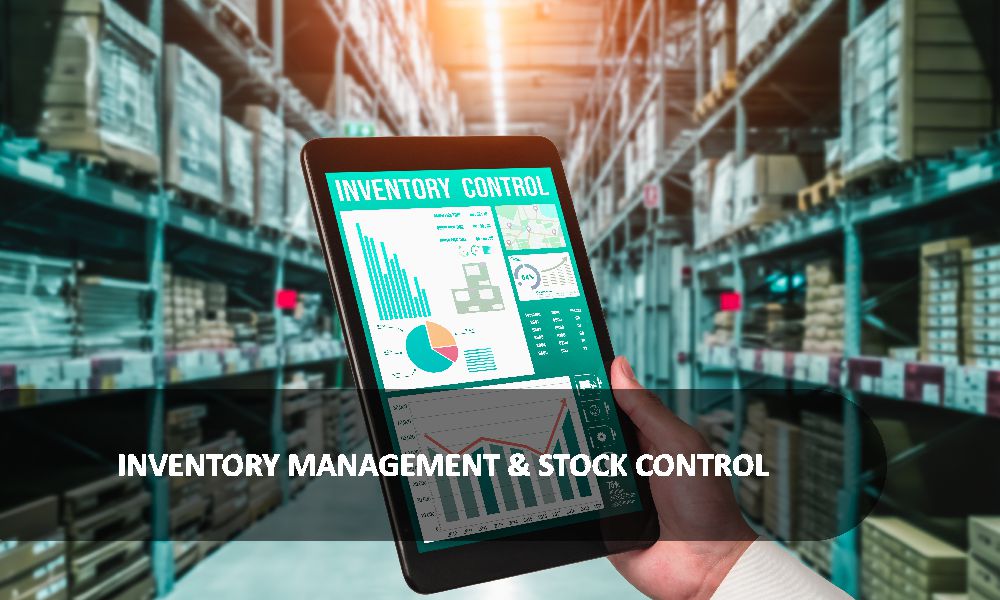
Aims:
-
To ensure the safe, efficient, and effective operation of shipboard catering services.
-
To maintain high standards of food safety, quality, and hygiene aboard ships.
-
To optimize inventory management and reduce food wastage through efficient stock rotation and planning.
-
To foster a professional, well-trained catering team capable of meeting the diverse needs of crew and passengers.
Objectives:
-
Develop Routine Systems: Establish regular routines for updating inventory records, conducting equipment checks, and ensuring food safety standards are consistently met.
-
Provide Comprehensive Training: Ensure all catering personnel are trained in inventory management, food safety, and stock rotation procedures.
-
Utilize Technology: Implement digital tools for real-time inventory tracking, temperature monitoring, and data-driven decision-making to streamline operations.
-
Effective Meal Planning: Plan ahead based on historical data and voyage-specific needs, anticipating food requirements and dietary preferences.
-
Maintain Organizational Efficiency: Keep the galley and storage areas organized, ensuring easy access to supplies and compliance with safety regulations.
-
Promote Teamwork: Foster a collaborative environment where all catering personnel work together to maintain a high level of service.
- Teacher: AIMS MARITIME
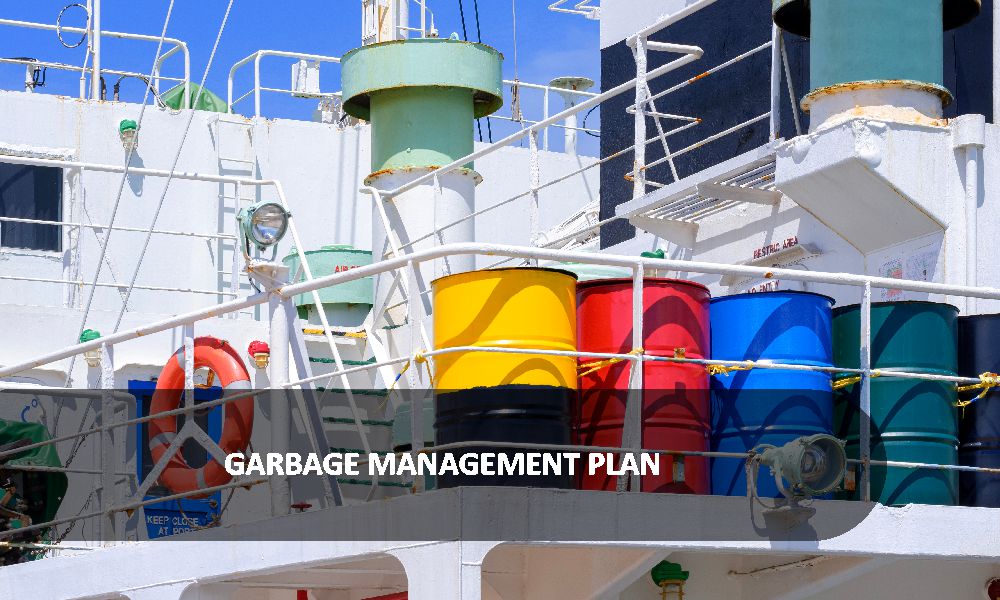
Understanding MARPOL Annex V Requirements:- Familiarize participants with the regulations governing the prevention of marine pollution by garbage from ships.
Skill Development for Garbage Management:- Equip participants to create, implement, and manage a Garbage Management Plan (GMP) onboard vessel.
Promoting Environmental Awareness:- Encourage environmentally responsible behaviour to minimize the impact of ship-generated waste on marine ecosystems.
Ensuring Regulatory Compliance:- Ensure participants comprehend and comply with international and local garbage disposal regulations.
Objectives:
Comprehend MARPOL Annex V Scope:- Understand which vessels are subject to Annex V regulations and garbage discharge prohibitions.
Classify Ship-Generated Waste:- Identify categories of waste (plastics, food waste, operational waste) according to MARPOL Annex V guidelines.
Implement a Garbage Management Plan:- Develop and execute GMP in line with the specific requirements for vessel operations
Maintain Records and Reporting:- Accurately record garbage discharges and ensure proper documentation for inspections.
- Teacher: AIMS MARITIME
AIMS:
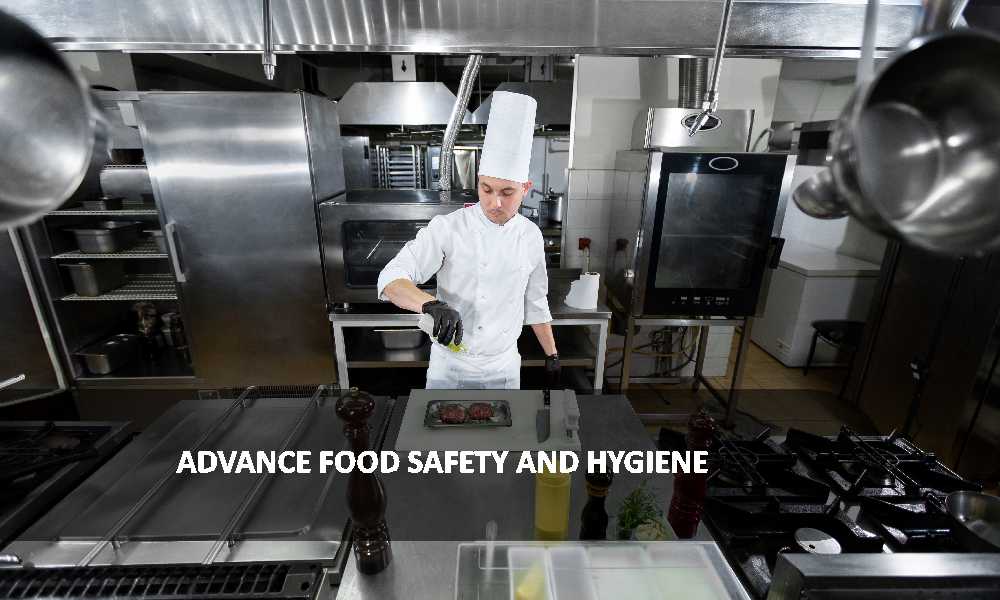
- Ensure compliance with MLC 2006 Regulation 3.2 related to food and catering on board ships.
- Promote high standards of food safety and personal hygiene among crew members.
- Enhance knowledge of food storage, stock control, and environmental protection in catering operations.
- Improve overall health and safety in catering environments on board ships.
OBJECTIVES:
- Understand the importance of Advanced Food Safety and Hygiene in preventing food-borne illnesses.
- Explain the relevant food laws and regulations applicable to the maritime industry.
- Identify common food safety hazards and methods to control contamination.
- Implement effective food preservation, storage, and temperature control practices.
- Maintain high standards of personal hygiene in catering operations.
- Ensure catering premises are kept hygienic and safe.
- Apply Hazard Analysis and Critical Control Point (HACCP) principles to manage food safety risks.
- Implement garbage management systems in compliance with environmental regulations.
COURSE CONTENT:
- Introduction to Food Safety and Hygiene
- Impact of Food-Borne Illness
- Understanding Food Law
- Food Safety Hazards and Contamination
- Food Preservation, Storage, and Temperature Control
- Personal Hygiene
- Hygienic Premises
- Hazard Analysis and Critical Control Point (HACCP)
- Garbage Management System
Aims:
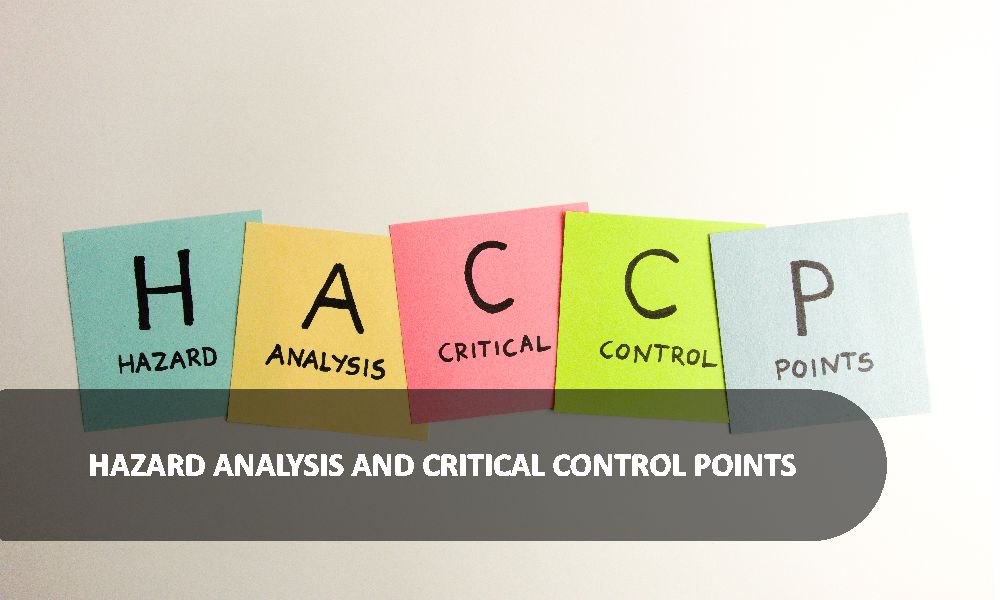
To ensure food safety: Equip participants with the knowledge to implement HACCP principles effectively in order to ensure food safety and prevent foodborne illnesses.
To comply with regulations: Provide an understanding of food safety regulations and international standards, including those laid out by the Codex Alimentarius Commission.
To promote proactive risk management: Teach participants how to identify, assess, and control hazards throughout the food production and handling process.
To enhance quality control: Encourage continuous monitoring and improvement of processes to maintain food quality and hygiene standards.
Objectives:
Understand the principles of HACCP: Familiarize participants with the seven principles of HACCP and their application in food safety management.
Perform hazard analysis: Equip participants with skills to conduct thorough hazard identification and analysis in food production.
Develop and implement a HACCP plan: Teach participants how to design, document, and implement an effective HACCP plan for their organization.
Establish critical control points (CCPs): Help participants identify CCPs in food processes where control is essential to ensure safety.
Conduct monitoring and verification procedures: Train participants in effective monitoring of CCPs and verification procedures to maintain food safety.
Handle corrective actions: Teach the appropriate responses to deviations from the HACCP plan, ensuring corrective actions are taken.
Maintain documentation and records: Provide knowledge on maintaining the required HACCP documentation and records to ensure compliance and traceability.
- Teacher: AIMS MARITIME
Aims:
-
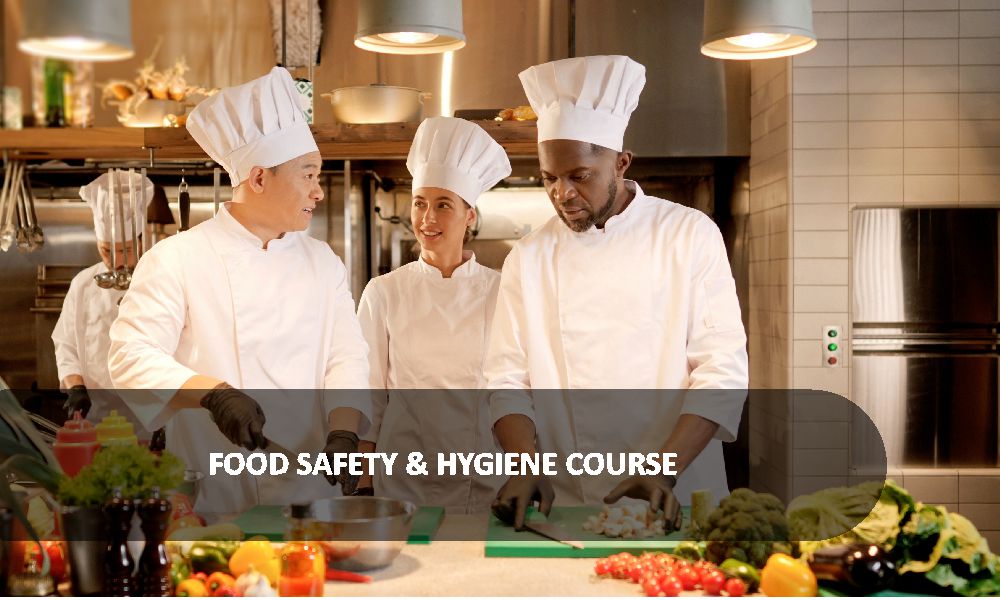
Ensure compliance with MLC 2006 Regulation 3.2 related to food and catering on board ships.
-
Promote high standards of food safety and personal hygiene among crew members.
-
Enhance knowledge of food storage, stock control, and environmental protection in catering operations.
-
Improve overall health and safety in catering environments on board ships.
Objectives:
-
Understand the importance of food safety and hygiene in preventing food-borne illnesses.
-
Explain the relevant food laws and regulations applicable to the maritime industry.
-
Identify common food safety hazards and methods to control contamination.
-
Implement effective food preservation, storage, and temperature control practices.
-
Maintain high standards of personal hygiene in catering operations.
-
Ensure catering premises are kept hygienic and safe.
-
Apply Hazard Analysis and Critical Control Point (HACCP) principles to manage food safety risks.
-
Implement garbage management systems in compliance with environmental regulations.
Course Content:
Module 1: Introduction to Food Safety and Hygiene
Module 2: Impact of Food-Borne Illness
Module 3: Understanding Food Law
Module 4: Food Safety Hazards and Contamination
Module 5: Food Preservation, Storage, and Temperature Control
Module 6: Personal Hygiene
Module 7: Hygienic Premises
Module 8: Hazard Analysis and Critical Control Point (HACCP)
Module 9: Garbage Management System
- Teacher: AIMS MARITIME
AIMS:
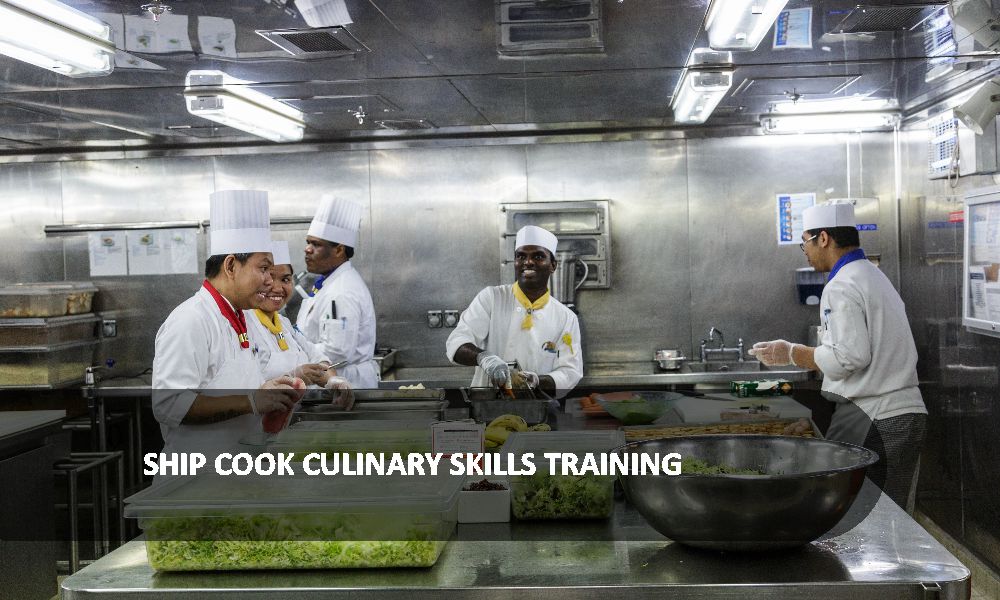
The Ships Cook Training Program is designed to equip individuals with the essential culinary, safety, and management skills required to excel as ships' cooks in the maritime industry. The overarching aim is to ensure that ships' cooks are proficient in preparing nutritious, culturally sensitive, and safe meals while adhering to international maritime regulations, including MLC 2006.
OBJECTIVES:
The objective of the Ship Cook Training Program is to develop skilled and professional ship cooks capable of preparing safe, nutritious, hygienic, and culturally diverse meals for crew members on board ships. The program aims to provide trainees with practical culinary knowledge, food safety awareness, galley management skills, and an understanding of international maritime standards, including MLC 2006, to ensure efficient catering operations and the well-being of seafarers at sea.
COURSE CONTENT:
- Introduction to Indian/Continental/Filipino/Italian & Bakery cuisines
- Practical Indian/ Continental/Filipino/ Italian & Bakery cuisines
- Introduction to Food Safety & Hygiene
- Impact of Food-Borne Illness
- Understanding Food Law
- Food Safety Hazards and Contamination
- Shipboard Pest Control
- Food Preservation, Storage and Temperature Control
- Personal Hygiene
- Galley Safety
- Menu Preparation
