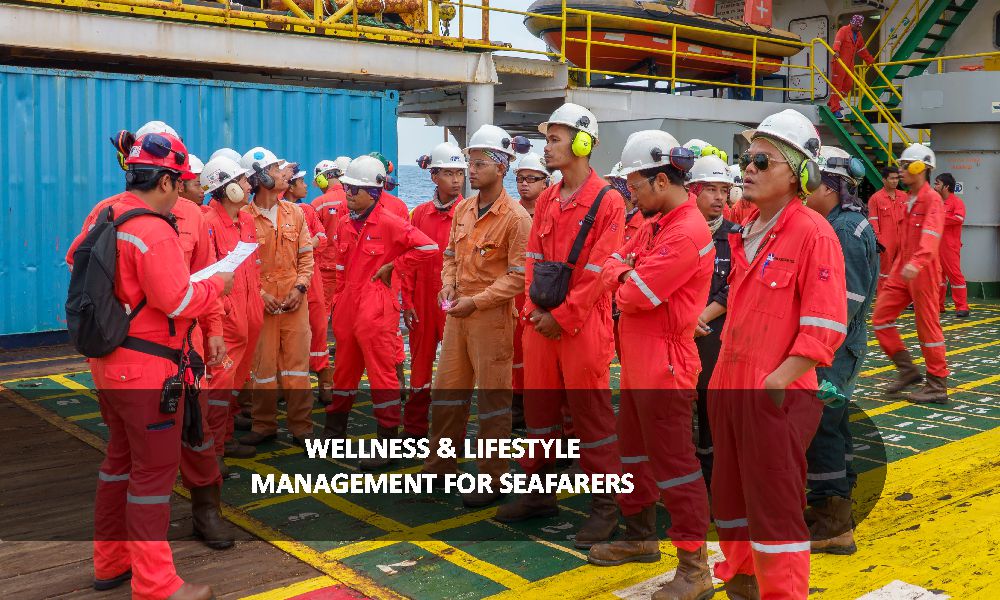
This
course aims to promote the physical, mental, and social wellbeing of seafarers
by providing practical tools for healthy living onboard. It addresses diet,
exercise, sleep hygiene, and addiction awareness while linking these
directly to safe operations and regulatory compliance. By aligning with:
MLC 2006 – Safe working and living
conditions, adequate rest, and protection of seafarer health.
ISM Code – Requirement for safe
practices and a working environment that safeguards crew welfare.
TMSA – Emphasis on leadership,
human element management, and crew wellbeing as part of tanker operator
self-assessment.
OCIMF/SIRE 2.0 – Expectations for
resilience, crew wellbeing, fatigue management, and error reduction
through improved human performance.
The
course ensures both compliance and added operational value for ship operators.
Objectives
On
successful completion of this course, participants will be able to:
Understand the importance of
seafarer wellness in ensuring safety, efficiency, and
regulatory compliance.
Develop healthy lifestyle
habits in
diet, exercise, and sleep tailored to the maritime environment.
Recognize and manage
addiction risks
(alcohol, substance abuse, digital dependency) and understand their impact
on safety.
Apply fatigue management
techniques in
line with MLC 2006 and STCW hours-of-rest requirements.
Promote a positive safety
culture
through resilience, stress management, and healthy routines.
Support organizational
compliance
with ISM Code, TMSA, and SIRE 2.0 requirements on human factors and
wellbeing.
Encourage peer support and
open reporting of
lifestyle and wellness challenges onboard.
This
course aims to promote the physical, mental, and social wellbeing of seafarers
by providing practical tools for healthy living onboard. It addresses diet,
exercise, sleep hygiene, and addiction awareness while linking these
directly to safe operations and regulatory compliance. By aligning with:
MLC 2006 – Safe working and living
conditions, adequate rest, and protection of seafarer health.
ISM Code – Requirement for safe
practices and a working environment that safeguards crew welfare.
TMSA – Emphasis on leadership,
human element management, and crew wellbeing as part of tanker operator
self-assessment.
OCIMF/SIRE 2.0 – Expectations for
resilience, crew wellbeing, fatigue management, and error reduction
through improved human performance.
The
course ensures both compliance and added operational value for ship operators.
Objectives
On
successful completion of this course, participants will be able to:
Understand the importance of
seafarer wellness in ensuring safety, efficiency, and
regulatory compliance.
Develop healthy lifestyle
habits in
diet, exercise, and sleep tailored to the maritime environment.
Recognize and manage
addiction risks
(alcohol, substance abuse, digital dependency) and understand their impact
on safety.
Apply fatigue management
techniques in
line with MLC 2006 and STCW hours-of-rest requirements.
Promote a positive safety
culture
through resilience, stress management, and healthy routines.
Support organizational
compliance
with ISM Code, TMSA, and SIRE 2.0 requirements on human factors and
wellbeing.
Encourage peer support and
open reporting of
lifestyle and wellness challenges onboard.