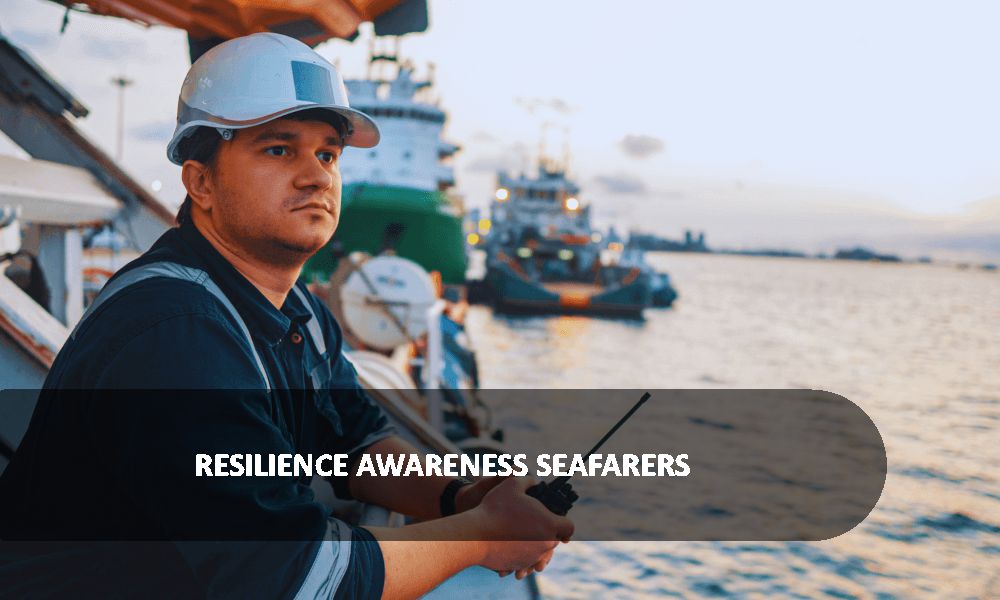
The aim
of this course is to enhance the psychological resilience and mental
well-being of maritime professionals by equipping them with the knowledge,
skills, and tools necessary to cope with stress, isolation, fatigue, and
emergencies encountered during sea service. The course supports a safer,
healthier, and more effective working environment on board ships.
Objectives:
By the
end of the course, participants will be able to:
Define resilience and explain its
significance in the maritime context.
Identify common sources of
stress and
psychological strain faced by seafarers during sea service.
Understand the impact of
stress, isolation, and fatigue on decision-making, performance, and safety
at sea.
Apply practical techniques such as breathing
exercises, mindfulness, and emotional regulation to manage stress
effectively.
Demonstrate skills to remain
calm and think clearly in high-pressure and emergency situations.
Develop a personal
resilience strategy to strengthen mental endurance over long
voyages.
Recognize the signs of
mental health challenges in oneself and others, and understand when
and how to seek support.
Promote a culture of
resilience and mutual support within the shipboard team.
Course Modules:
Understanding Resilience at Sea
Stresors in the Maritime Environment
Mental Health and Emotional Regulation
Core Components of Resilience for Seafarers
Tools and Practices for Building Resilience
Resilience in Maritime Emergency and Crisis Scenarios
The aim
of this course is to enhance the psychological resilience and mental
well-being of maritime professionals by equipping them with the knowledge,
skills, and tools necessary to cope with stress, isolation, fatigue, and
emergencies encountered during sea service. The course supports a safer,
healthier, and more effective working environment on board ships.
Objectives:
By the
end of the course, participants will be able to:
Define resilience and explain its
significance in the maritime context.
Identify common sources of
stress and
psychological strain faced by seafarers during sea service.
Understand the impact of
stress, isolation, and fatigue on decision-making, performance, and safety
at sea.
Apply practical techniques such as breathing
exercises, mindfulness, and emotional regulation to manage stress
effectively.
Demonstrate skills to remain
calm and think clearly in high-pressure and emergency situations.
Develop a personal
resilience strategy to strengthen mental endurance over long
voyages.
Recognize the signs of
mental health challenges in oneself and others, and understand when
and how to seek support.
Promote a culture of
resilience and mutual support within the shipboard team.
Course Modules:
Understanding Resilience at Sea
Stresors in the Maritime Environment
Mental Health and Emotional Regulation
Core Components of Resilience for Seafarers
Tools and Practices for Building Resilience
Resilience in Maritime Emergency and Crisis Scenarios