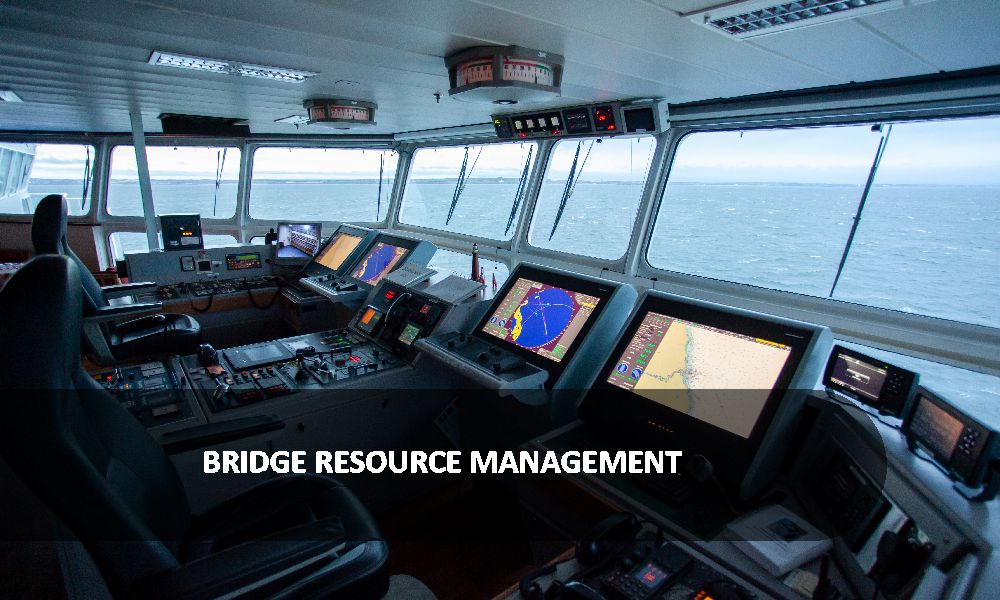
The BRM course aims to enhance the safety and efficiency of maritime operations by ensuring that participants can manage bridge resources effectively. The course covers essential aspects such as maintaining a safe navigational watch, understanding human factors, and promoting effective communication, teamwork, and decision-making.
This course equips navigating officers with the essential skills for effective Bridge Resource Management and safe decision-making, while enhancing situational awareness, teamwork, and communication on the bridge. It is aligned in accordance with IMO Model Courses 1.22 and 1.08, as well as SIRE 2.0 Part 1 Section 3.3.1 requirements.
OBJECTIVES:
Maintain a Safe Navigational Watch: Ensure participants can safely manage and monitor navigational systems.
Effective Communication: Promote clear and concise communication within the bridge team.
Human Factors: Address the impact of stress, fatigue, and other human factors on decision-making and performance.
Standard Manoeuvres: Teach techniques for handling vessels in different conditions like wind, current, and shallow waters.
Problem Solving and Decision Making: Develop the ability to assess situations and make informed decisions quickly.
Leadership and Assertiveness: Encourage leadership and assertiveness in managing bridge operations.
Resource Management: Plan and allocate resources efficiently, improving team coordination and response.
Team Experience Analysis: Reflect on team performance to enhance future bridge operations.
The BRM course aims to enhance the safety and efficiency of maritime operations by ensuring that participants can manage bridge resources effectively. The course covers essential aspects such as maintaining a safe navigational watch, understanding human factors, and promoting effective communication, teamwork, and decision-making.
This course equips navigating officers with the essential skills for effective Bridge Resource Management and safe decision-making, while enhancing situational awareness, teamwork, and communication on the bridge. It is aligned in accordance with IMO Model Courses 1.22 and 1.08, as well as SIRE 2.0 Part 1 Section 3.3.1 requirements.
OBJECTIVES:
Maintain a Safe Navigational Watch: Ensure participants can safely manage and monitor navigational systems.
Effective Communication: Promote clear and concise communication within the bridge team.
Human Factors: Address the impact of stress, fatigue, and other human factors on decision-making and performance.
Standard Manoeuvres: Teach techniques for handling vessels in different conditions like wind, current, and shallow waters.
Problem Solving and Decision Making: Develop the ability to assess situations and make informed decisions quickly.
Leadership and Assertiveness: Encourage leadership and assertiveness in managing bridge operations.
Resource Management: Plan and allocate resources efficiently, improving team coordination and response.
Team Experience Analysis: Reflect on team performance to enhance future bridge operations.